crypto payments for utility bills
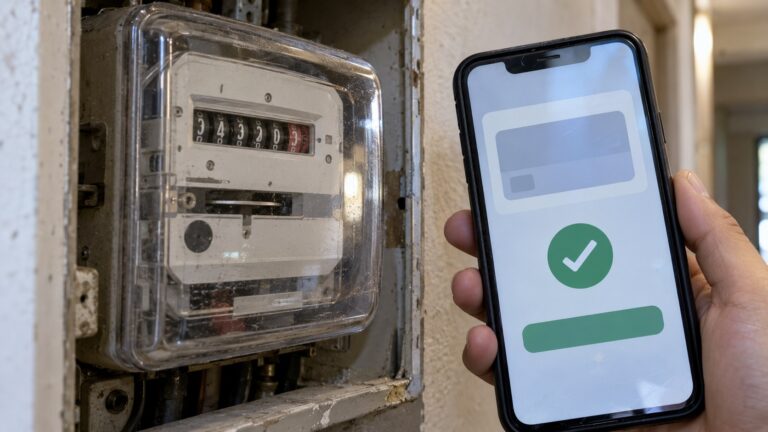
Design crypto utility billing around finalized usage, partial payments, disputes, grace periods, and service continuity—not a simple subscription retry.
Polina Yan
Design crypto utility billing around finalized usage, partial payments, disputes, grace periods, and service continuity—not a simple subscription retry.
A practical worksheet maps crypto billing losses to cyber, crime, custody and E&O cover, exposing exclusions, deductibles and control gaps before launch.
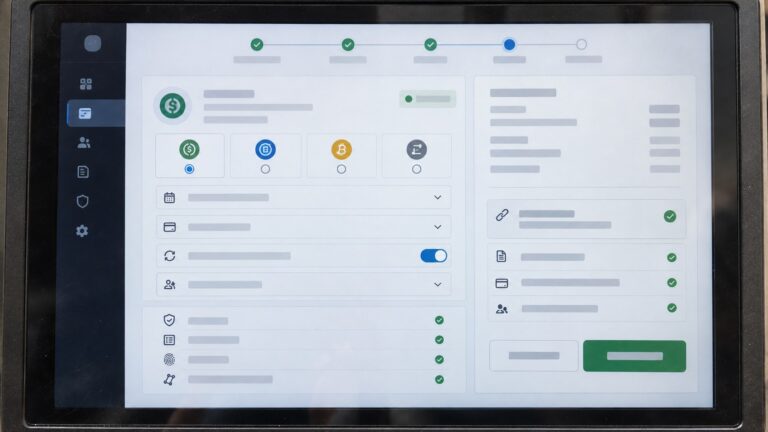
A crypto subscription customer portal connects wallet permissions, renewals, plan changes, cancellations, records, and customer access securely.
Assess stablecoin issuers for payments with a practical scorecard covering reserves, redemption, legal rights, liquidity, controls, and review.
Discover how a customized crypto payment gateway can transform your business in 2026. Whether you are a merchant, content creator, or fintech…
If you are serious about growing your WooCommerce store, you should be using an all-in-one, global solution. In this article, we will…
Subscriptions and one-time payments, settled to your own wallet. Free until the end of 2026.