
Quick answer
A crypto billing platform migration should preserve service continuity without pretending that wallet approvals are portable. Export customers, plans, invoices, transactions, webhook history, token settings, and reconciliation references first. Then create replacement subscriptions, ask customers for a new wallet authorization, process old and new events in parallel, reconcile both systems, and cut over only when collection ownership is unambiguous. Keep the former provider available until rollback evidence is complete.
When a crypto billing platform migration is the right decision
Migrate when the operational cost or custody risk of staying exceeds the disruption of replacing payment authority. Poor exports, frozen settlement, unreliable webhooks, unsupported subscription logic, or excessive manual reconciliation are valid triggers. A cosmetic dashboard preference is not.
The difficult asset is not the customer row in a CSV. It is the complete billing state behind that row: wallet address, chain, token contract, plan terms, invoice identifiers, payment status, retry state, webhook evidence, and the authorization that permits future collection. A wallet approval granted to one smart contract normally cannot be transferred to a different contract. Treat the move as a new payment mandate linked to an old commercial relationship. Review the target crypto billing platform architecture before promising a silent migration.
- Proceed when you can export a stable customer-to-invoice-to-transaction mapping and retain access to historical evidence.
- Pause when the outgoing provider cannot identify unsettled payments, active authorizations, or its canonical event IDs.
- Reject a forced big-bang switch when customers must reauthorize; incomplete consent will become involuntary churn.
- Define success as correct collection, entitlement, settlement, and accounting—not merely a successful API response.
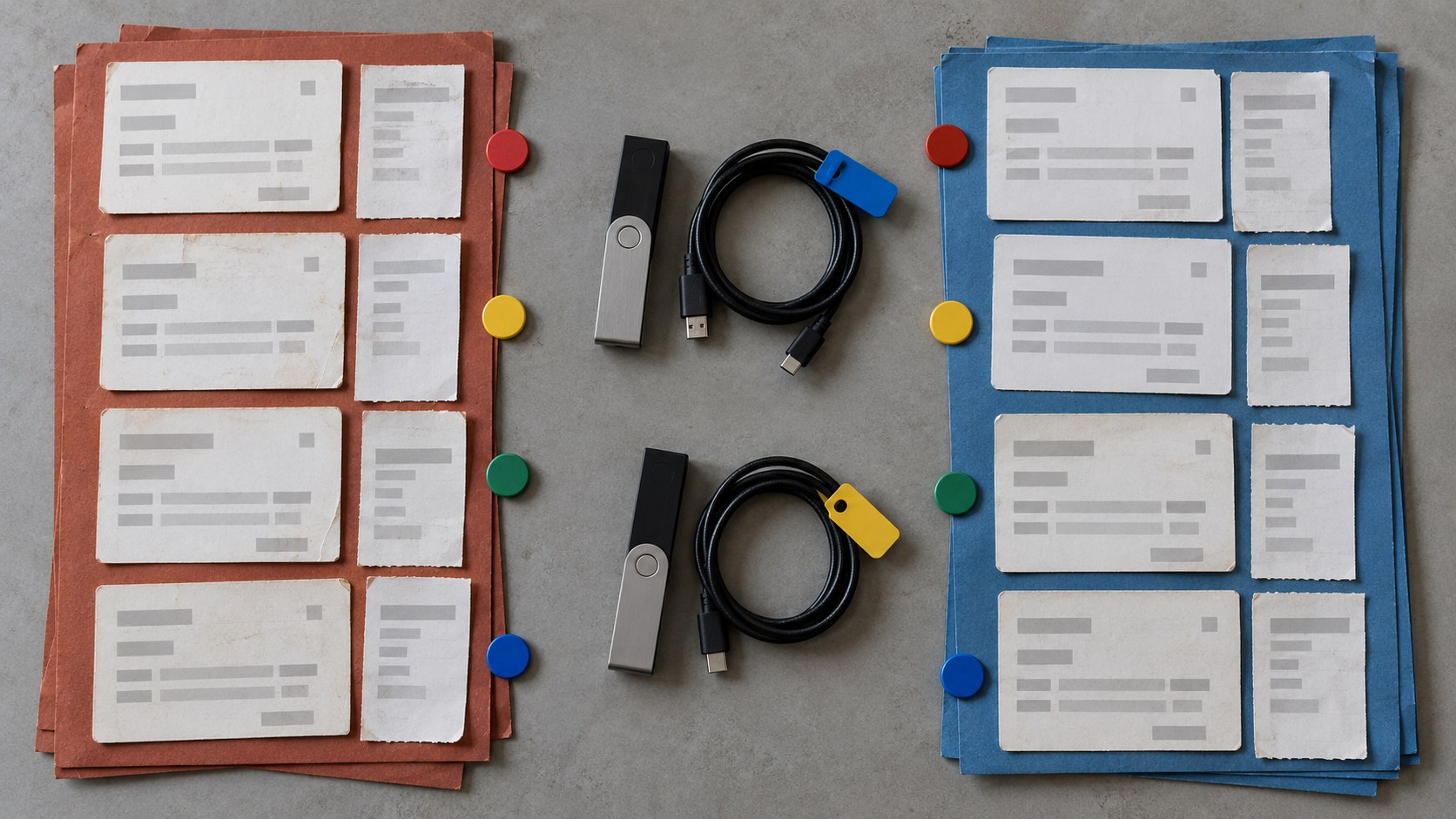
A useful pre-migration test is to select a small representative sample containing an active subscriber, a failed collection, a refunded payment, an overdue invoice, and a recently cancelled account. Rebuild each customer’s state from the export alone. If operations cannot determine what should happen at the next billing boundary, the export is not an exit package; it is a souvenir. Either obtain missing records, preserve read access to the old system, or create a documented manual resolution queue before moving production traffic.
The vendor-exit and migration checklist
The migration checklist must assign an owner, evidence, and pass condition to every state that can affect money or access. The table below is the minimum control surface for recurring crypto billing; adapt it to your chains, tokens, products, and accounting system.
| Control | Required evidence | Cutover condition |
|---|---|---|
| Export | Customers, plans, invoices, transactions, refunds, event IDs and timestamps | Counts and totals reconcile to the source |
| Authorization replacement | Old contract, new contract, wallet, chain, token and consent status | Every migrated account is reauthorized or excluded |
| Event processing | Stored payloads, idempotency keys and source labels | Old and new events can be processed without duplicate fulfilment |
| Token configuration | Contract address, decimals, network and destination wallet | Test settlement matches the configured asset and wallet |
| Reconciliation | Invoice, transaction hash, fee and settlement mapping | Exceptions are owned and explainable |
| Rollback | Routing state, deployment version and recovery runbook | Previous safe path can be restored without ambiguous collection ownership |
Apply the crypto billing platform security checklist to contract permissions, administrative access, webhook authentication, signing keys, destination wallets, and incident ownership before accepting live funds. A migration expands the attack surface temporarily because both systems, credentials, and event streams may remain active. Retire access only after evidence retention and rollback obligations are satisfied.
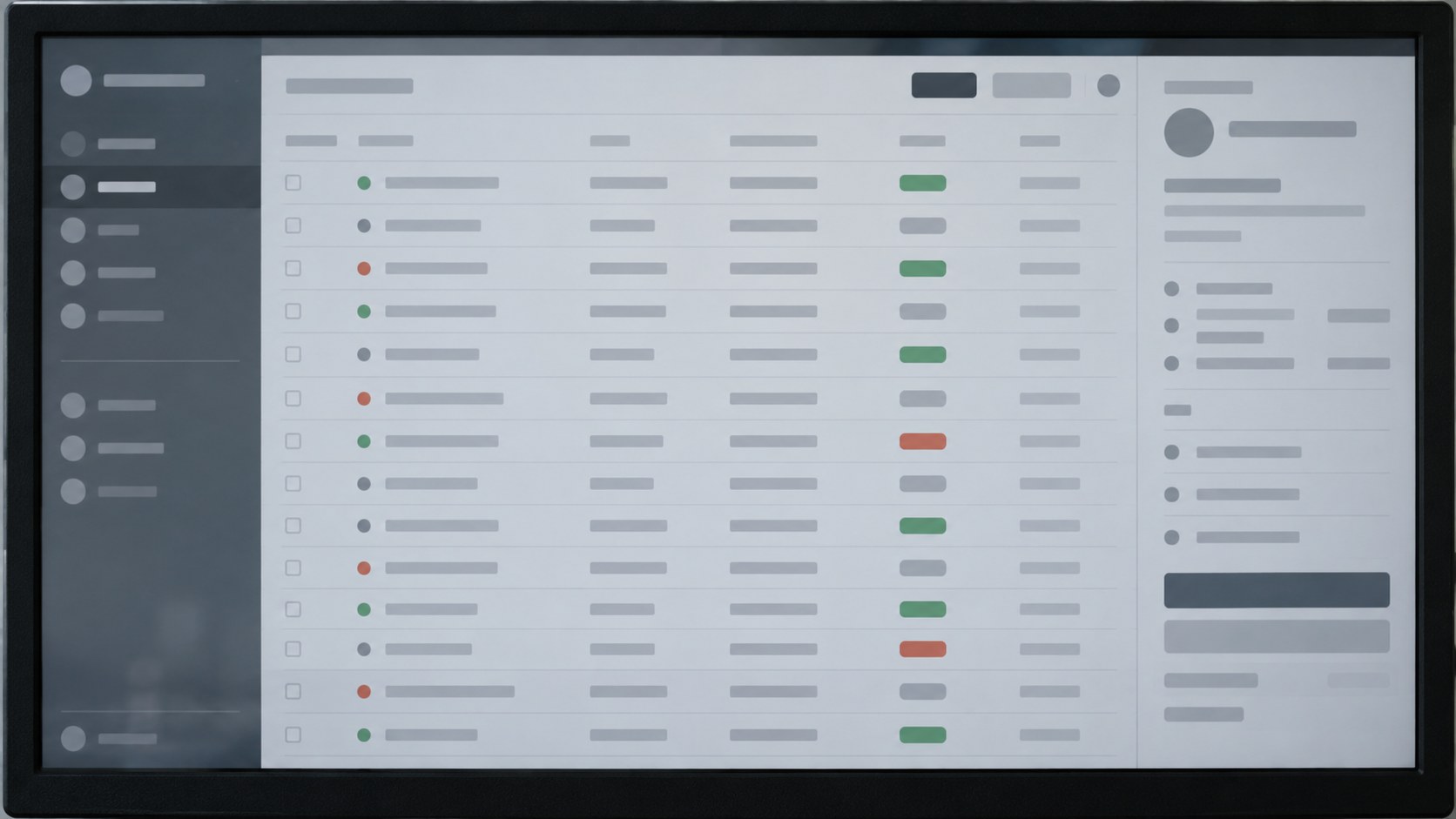
Add a disposition field to every exported object: migrate, retain for history, resolve manually, or discard under policy. This prevents an old failed invoice from quietly becoming a new collectible balance, and it stops cancelled subscribers from being invited to approve another mandate. Record who approved each rule and preserve the source snapshot used for transformation. If a later dispute reaches support or finance, the team should be able to reproduce why a record moved—or why it deliberately did not—without querying a system that may no longer be available.
How should the authorization transition work?
Replace authorizations before assigning collection ownership to the new platform. Keep the old mandate inactive or narrowly controlled once a customer approves the new one, and maintain a single system of record for the next charge. Two active collectors are redundancy only in the same sense that two steering wheels are.
Consider a hypothetical SaaS with 1,000 active monthly subscribers paying an assumed $49 in USDC. Assume 80% complete a new wallet approval before their next billing date. That gives 800 accounts eligible for automated collection through the new provider, representing an assumed $39,200 billing cohort; the remaining 200 accounts, representing an assumed $9,800, must stay on the old path where permitted or enter a customer-recovery flow. These figures forecast operational exposure, not revenue: insufficient wallet balance, revoked approval, wrong network, or contract limits can still prevent collection.
- Create the replacement subscription without marking it collectible.
- Send a precise reauthorization request naming the asset, network, amount logic, cadence, and cancellation route.
- Verify the on-chain approval and bind its transaction reference to the customer record.
- Assign the next invoice to exactly one collector, then suppress the other path.
- Confirm entitlement only from the chosen provider’s validated payment event.
During overlap, a crypto billing webhook integration should normalize both providers into one internal event model while preserving the original source and event ID. Idempotency must sit in your application, not in an optimistic assumption that vendors will produce compatible identifiers.

Segment the reauthorization campaign by billing date rather than sending one undifferentiated announcement. Customers near renewal need an immediate, transactional message; customers farther away can receive education first and a reminder later. Support should see the old mandate status, the new approval status, the assigned collector, and the next action in one view. Do not tell customers that funds or subscriptions have already moved when only profile data has moved. Precise language reduces both suspicion and accidental duplicate approvals.
What can break, and when should you cut over?
Cut over only after transaction routing, entitlements, settlement, and ledger postings agree across a representative production cohort. A successful test payment proves a path exists; it does not prove retries, cancellations, delayed events, refunds, or duplicate notifications behave correctly.
The principal risks are split-brain billing, duplicate fulfilment, missing historical context, incorrect token configuration, and premature shutdown of the old provider. Chain and token names are not sufficient controls: contract address, network, decimals, destination wallet, and confirmation policy must match. Delayed or reordered webhooks can also make a paid invoice appear open unless your application resolves state by durable identifiers and explicit precedence rules. Use crypto billing integration testing to cover normal payments and failure paths before widening the cohort.
- No account is collectible by both platforms for the same billing obligation.
- Every accepted payment maps to one customer, invoice, transaction hash, token, network, fee, and destination.
- Cancellation and revoked authorization states prevent later collection attempts.
- Support can explain every exception without editing blockchain history or inventing a payment state.
- Rollback evidence includes routing configuration, deployment version, unresolved events, wallet balances, and accountable owners.
Settlement finality does not remove commercial obligations. Define crypto billing refunds, credits, and proration before cutover because the new platform may not inherit the outgoing provider’s credit balances or adjustment records. Merchant compliance, tax, sanctions screening, customer verification where required, and record retention remain merchant responsibilities.

An ordered crypto billing platform migration plan
Run the migration as a reversible operational release: define ownership, preserve the source state, validate the target, reauthorize customers in cohorts, reconcile continuously, and retire the old provider only after the evidence window closes.
- Freeze schema changes and document the commercial rules that determine invoice and subscription state.
- Export raw records and webhook history; checksum and store the immutable source snapshot under the applicable retention policy.
- Map identifiers, tokens, chains, plans, customers, invoices, transactions, refunds, credits, cancellations, and entitlements.
- Configure the target wallet, supported assets, subscription logic, webhook endpoint, permissions, and accounting mappings.
- Test transformations and failure paths, then run a limited production cohort with parallel event capture.
- Request replacement wallet approvals and assign collection ownership account by account.
- Reconcile billing, on-chain transfers, fees, wallet settlement, entitlements, and ledger entries after every cohort.
- Cut over new sign-ups, complete remaining renewals, close exceptions, revoke obsolete access, and retain rollback evidence.
For merchants choosing self-custody, Zyrox supports direct wallet payments, smart-contract subscriptions, payment links, webhooks, USDT, USDC, and Bitcoin. For recurring USDC subscriptions, customers approve once and funds settle directly to the merchant wallet; the platform fee is 0.5%. Evaluate that model against your required chains, consent flow, export needs, compliance perimeter, and accounting controls rather than treating lower dependency on custodians as a substitute for due diligence.

Move recurring billing without surrendering control
A migration earns its keep when it leaves the merchant with clearer collection authority, stronger evidence, and fewer settlement dependencies. If direct wallet settlement and smart-contract subscriptions fit your operating model, assess Zyrox with a representative customer cohort and the checklist above.
Frequently asked questions
Can wallet authorizations be transferred between crypto billing platforms?
Usually not. An approval is tied to a particular token, network, wallet, spender address, and smart contract. Customers generally need to authorize the replacement contract.
Should both providers collect subscriptions during migration?
No. Both may receive events during a controlled overlap, but each billing obligation should have exactly one assigned collector to prevent duplicate charges.
What data should be exported before switching providers?
Export customers, plans, subscriptions, invoices, transactions, refunds, credits, cancellations, token and network settings, webhook history, event IDs, timestamps, fees, settlement references, and authorization status.
How long should the old crypto billing platform remain accessible?
Keep it accessible until historical evidence is retained, unsettled transactions are resolved, migrated cohorts reconcile, customer disputes can be investigated, and the documented rollback window has closed.
What is the safest cutover criterion?
Cut over when every account has unambiguous collection ownership and payments reconcile across invoice, on-chain transaction, wallet settlement, entitlement, and accounting records.
How should failed reauthorization be handled?
Do not infer consent. Keep the account on the old path only where valid and intended, or move it into a clearly communicated recovery flow without automatic collection by the new provider.
Does non-custodial billing remove merchant compliance duties?
No. Merchants still need to assess applicable tax, sanctions, consumer, privacy, accounting, licensing, record-retention, and customer-verification obligations.
Can Zyrox support a recurring crypto migration?
Zyrox supports smart-contract subscriptions, direct wallet settlement, payment links, webhooks, API access, and USDT, USDC, and Bitcoin. Confirm the required networks, billing rules, data mappings, and compliance controls during evaluation.

Dmitry Alentev
Builds SaaS platforms for content creators, agencies, and entrepreneurs. Writes about the business mechanics behind creator-economy products and how custom software actually ships.
Reviewed under our Editorial standards.